
A blocked outside drain can cause standing water, unpleasant smells and wastewater backing up around your property. If the problem keeps returning, the blockage may be caused by more than leaves or surface debris.
Understanding what causes a blocked outside drain can help you identify the warning signs, take sensible precautions and decide when professional drainage services are needed. In this guide, we explain the common causes, what you can safely check and when to arrange an inspection.
JH Plumbing & Heating Solutions provides drainage services across Milton Keynes, Leighton Buzzard, Bedford and Northampton, helping homeowners address drainage problems and identify recurring issues.
What Causes a Blocked Outside Drain?
An outside drain can become blocked when waste, debris or other material restricts the flow of water through the drainage system. Some blockages develop gradually, while others occur when a large obstruction prevents wastewater from draining properly.
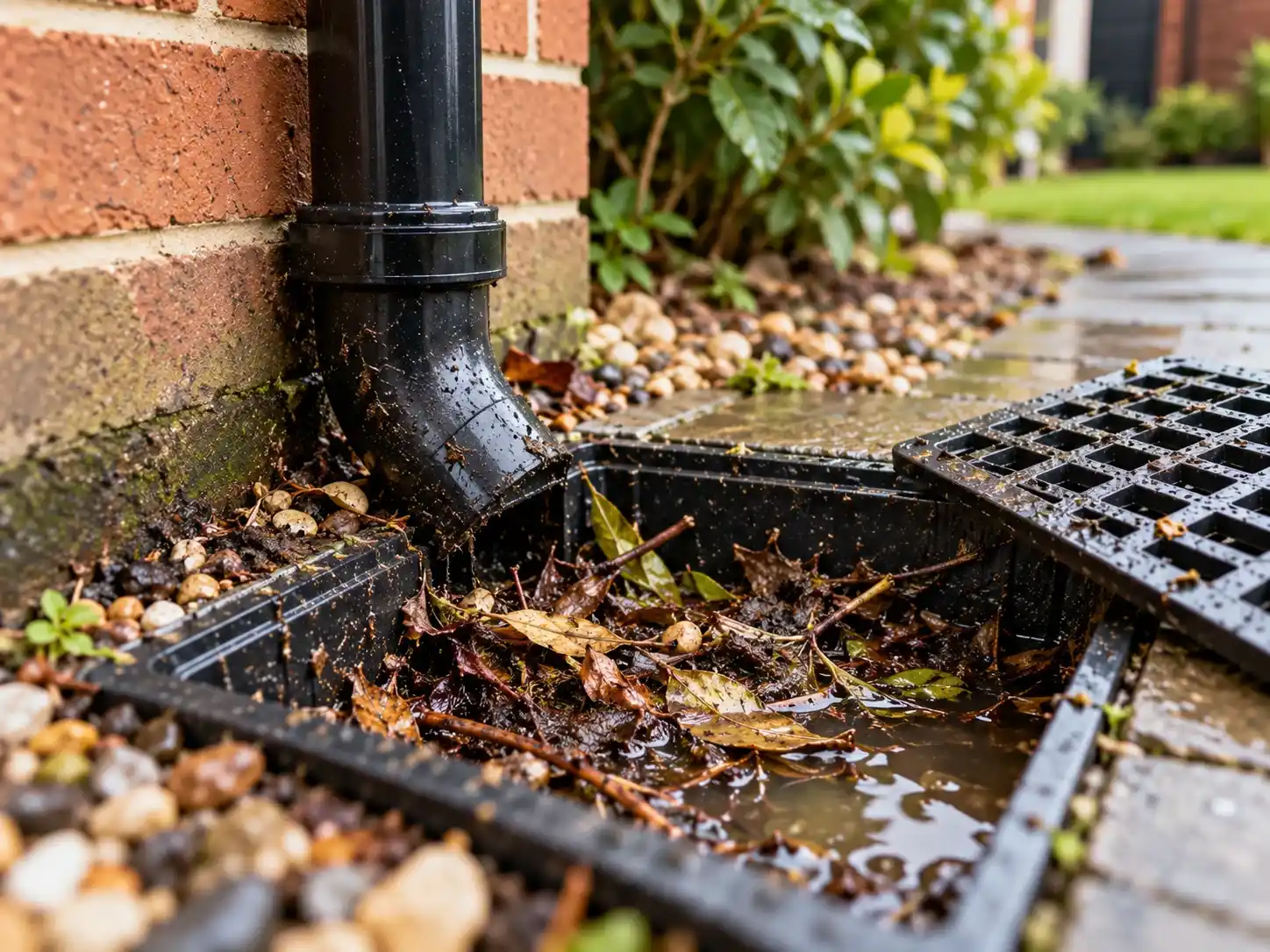
The most common causes include the following.
1. Leaves, Mud and Garden Debris
Leaves, soil and grass cuttings can collect around external drain openings, particularly during autumn or after heavy rain. If this material enters the drainage system, it can restrict the flow of water and contribute to a blockage.
What to do: Remove loose debris from around an accessible drain opening if it is safe to do so. If water continues to collect or the drain remains blocked, the obstruction may be further inside the pipework.
2. Fat, Oil and Grease Build-Up
Cooking fats, oils and grease can solidify inside drainage pipes as they cool. Over time, these deposits can trap food particles and other waste, gradually reducing the space available for water to flow.
This can contribute to recurring blockages, especially when grease is regularly poured down the kitchen sink.
What to do: Allow cooking fats to cool before disposing of them appropriately. Avoid pouring oil or grease down the sink. If an existing blockage does not clear, professional drain clearance may be required.
3. Wet Wipes and Non-Flushable Items
Wet wipes, sanitary products and other unsuitable items can collect inside drainage pipes. These materials may combine with grease and other waste, creating an obstruction that prevents wastewater from flowing freely.
Even products labelled as flushable may not break down as readily as toilet paper.
What to do: Only flush toilet paper and human waste down the toilet. Put wipes and sanitary products in a bin to reduce the risk of blockages.
4. Tree Roots Entering Drainage Pipes
Tree roots can enter underground drainage pipes through existing cracks or defective joints. As they grow, they may obstruct the flow of wastewater and trap debris.
Root intrusion can be particularly difficult to identify from the surface. If your outside drain repeatedly becomes blocked despite previous clearance, damaged or obstructed pipework may need further investigation.
What to do: Arrange a professional drainage inspection if you suspect root intrusion. A CCTV drain survey can help identify roots, cracks and other problems inside accessible drainage pipes.
5. Damaged or Displaced Drain Pipes
Underground drainage pipes can develop cracks, defective joints or displaced sections over time. Ground movement and other forms of damage may affect how wastewater flows through the system.
A damaged pipe can also allow soil and debris to enter the drainage system, contributing to repeated blockages.
What to do: If the same drain keeps blocking, a professional assessment can help determine whether the problem is caused by an obstruction or an underlying pipe defect. Clearing the blockage alone may not resolve a damaged pipe.
6. Heavy Rainfall and Restricted Drainage
Heavy rainfall can wash leaves, soil and other debris into external drains. It can also expose an existing drainage problem when water cannot flow away quickly enough.
However, standing water after heavy rain does not automatically mean the drain is blocked. The cause may involve surface drainage, restricted pipework or a problem with the wider drainage system.
What to do: Check for visible debris around the drain opening. If water continues to accumulate, the drain overflows or the problem happens repeatedly, arrange a professional inspection.
What Are the Signs of a Blocked Outside Drain?
Recognising the symptoms early can help you decide whether a drainage problem needs attention.
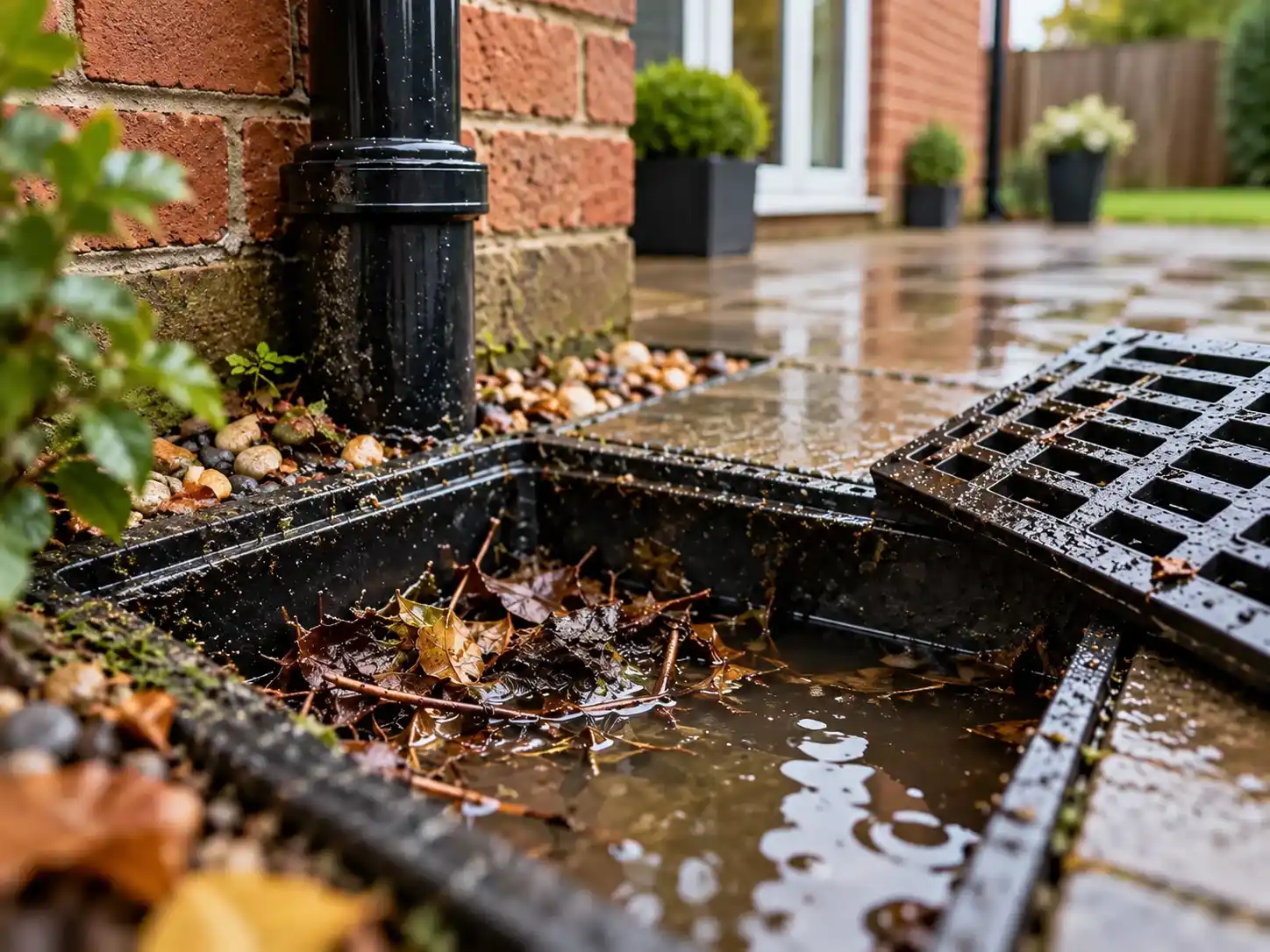
Look for these common warning signs:
- Standing water: Water collects around the drain instead of flowing away.
- Unpleasant smells: Persistent foul odours may indicate trapped waste or stagnant water.
- Gurgling sounds: Bubbling noises from toilets, sinks or other outlets may indicate restricted drainage.
- Slow-draining fixtures: Sinks, baths or showers take longer than usual to empty.
- Overflowing drains: Water or wastewater rises through an external drain or gully.
- Repeated blockages: The same drain becomes blocked again after it has been cleared.
These symptoms can have different causes. However, if several appear together, particularly when multiple fixtures are affected, the problem may extend beyond the drain opening.
If wastewater is overflowing or backing up into your home, seek professional assistance promptly and avoid contact with the contaminated water.
How to Check a Blocked Outside Drain Safely
Before arranging drainage work, there are a few simple checks you can carry out without dismantling the drainage system.
Check the Drain Opening
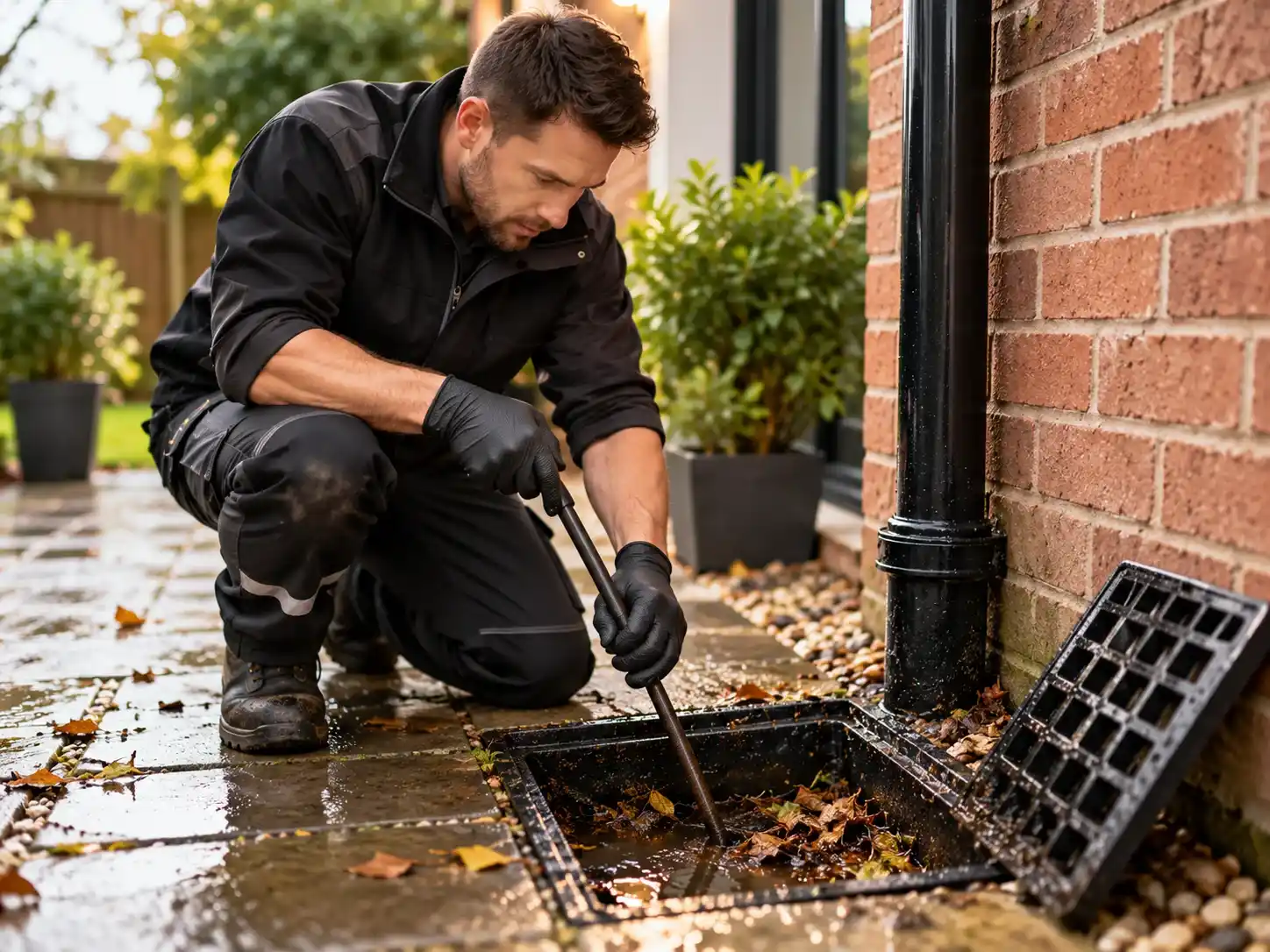
Look for visible leaves, mud or loose debris around the drain grate. If the obstruction is accessible from the surface, you may be able to remove it safely using suitable protective equipment.
Do not put your hands into standing wastewater or reach inside the drain.
Check Other Drainage Points
Notice whether the problem affects only one outside drain or whether other fixtures, such as toilets and sinks, are also draining slowly.
If several drainage points are affected, the obstruction may be further along a shared drainage pipe.
Look for Signs of Overflow
Check for standing water, persistent foul smells and visible signs of damage around accessible drainage areas.
Do not lift heavy drain covers yourself or enter drainage chambers. These areas can contain contaminated water and hazardous gases.
Avoid Repeated DIY Attempts
If removing visible debris does not restore normal drainage, avoid repeatedly forcing tools or chemicals into the pipework.
A professional drainage engineer can assess the problem and determine the most suitable method of clearance or inspection.
Can You Unblock an Outside Drain Yourself?
A minor blockage caused by loose leaves or surface debris may be manageable if the obstruction is accessible and can be removed safely.
However, deeper blockages often require specialist equipment. Attempting to force an obstruction through a pipe can make the situation worse, particularly if the pipework is already damaged.
Professional drainage assistance is advisable when:
- Water continues to collect after visible debris has been removed.
- Wastewater is overflowing from the drain.
- The blockage keeps returning.
- Several toilets, sinks or drains are affected.
- You suspect tree roots or damaged underground pipework.
- You cannot identify the cause of the obstruction.
Avoid using harsh chemical drain cleaners without understanding the risks. Never mix cleaning products, and do not combine chemicals with other drain-clearing methods.
When Should You Call a Professional Drainage Engineer?
You should arrange professional drainage assistance when a blockage cannot be cleared safely, the symptoms persist, or the problem suggests an underlying fault.
The right solution depends on the location and severity of the obstruction.
Drain Clearance
Drain clearance can remove suitable obstructions caused by accumulated waste, debris or other material inside a pipe.
The engineer should assess the blockage and choose an appropriate method for the condition of the drainage system.
High-Pressure Water Jetting
High-pressure water jetting can help remove certain deposits and obstructions from drainage pipes. It is not suitable for every situation, particularly where pipes may be damaged.
A professional assessment helps determine whether this method is appropriate.
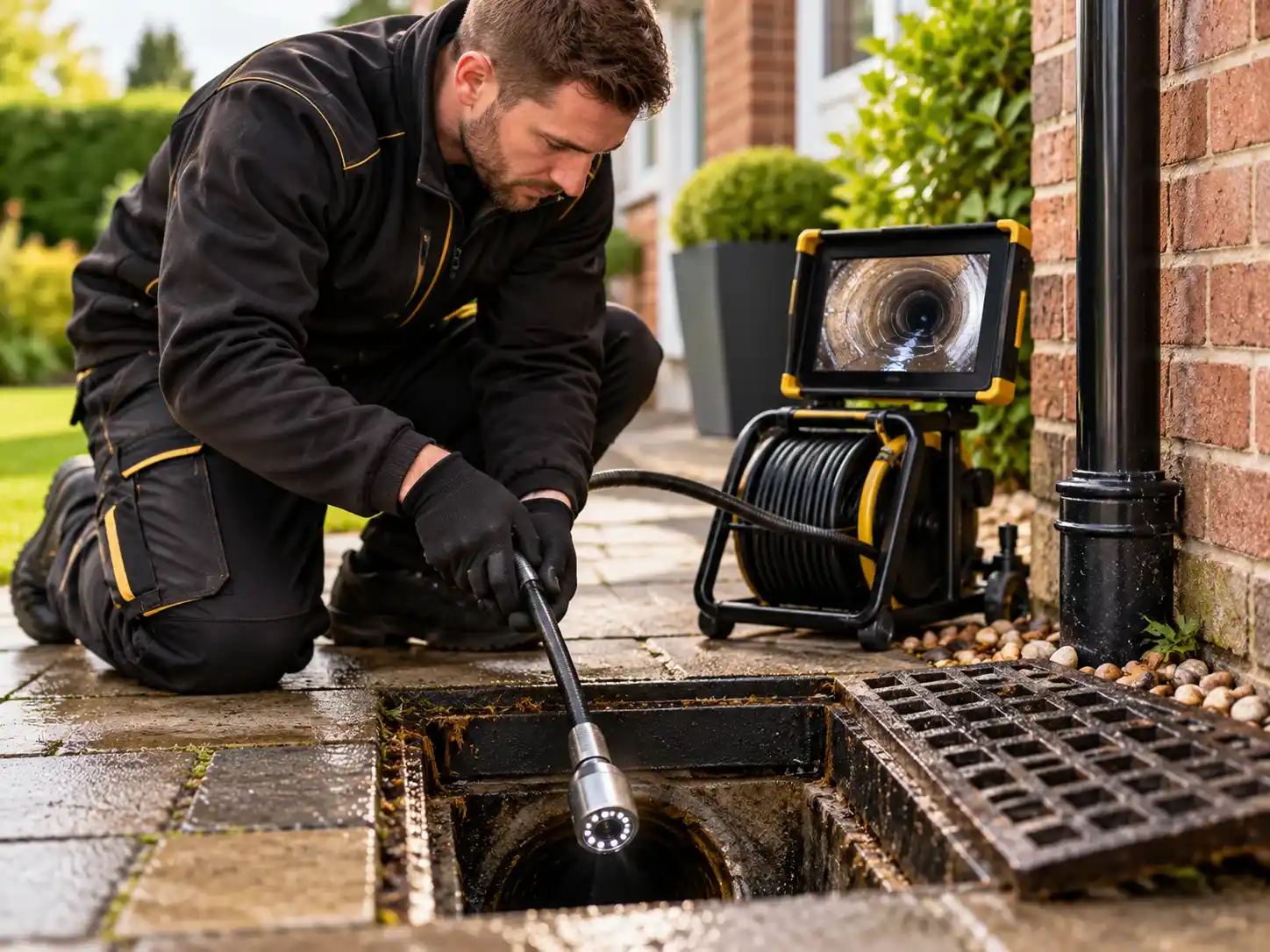
CCTV Drain Surveys
A CCTV drain survey uses a specialist camera to inspect the inside of accessible drainage pipes. It can help identify recurring obstructions, tree root intrusion, cracks and displaced joints.
This may be useful when the same outside drain repeatedly becomes blocked and the cause is unclear.
Drain Repairs
If the investigation identifies damaged or displaced pipework, further repairs may be needed. Removing the immediate obstruction will not necessarily resolve the underlying problem.
The appropriate repair depends on the location, extent and condition of the damage.
Drainage Services in Milton Keynes, Leighton Buzzard, Bedford and Northampton
JH Plumbing & Heating Solutions provides plumbing, heating and drainage services across four main areas: Milton Keynes, Leighton Buzzard, Bedford and Northampton.
If you are dealing with a blocked outside drain, the location of the problem and its underlying cause will help determine the next steps.
Blocked Outside Drains in Milton Keynes
Homes in Milton Keynes range from older properties in Wolverton and Stony Stratford to newer housing developments. If an outside drain is slow to empty or keeps blocking, the cause should be identified before deciding on the appropriate work.
JH Plumbing & Heating Solutions provides local plumbing and drainage support for homeowners in Milton Keynes.
Drainage Problems in Leighton Buzzard
If your outside drain keeps blocking in Leighton Buzzard, persistent symptoms may indicate an obstruction that has not been fully cleared. Checking the cause is particularly important when the same problem returns.
JH provides drainage services in Leighton Buzzard as part of its local plumbing and heating work.
Drainage Services in Bedford
Drainage problems in Bedford may involve surface debris, accumulated waste or issues within underground pipework. Where a blockage keeps returning, further inspection may help establish whether the cause is an obstruction or pipe damage.
JH Plumbing & Heating Solutions covers Bedford and nearby areas, including Kempston, Biddenham and Wixams.
Outside Drain Problems in Northampton
A blocked outside drain in Northampton can affect how wastewater leaves your property. If the blockage persists or several drainage points are affected, a professional assessment can help identify the source of the problem.
JH Plumbing & Heating Solutions provides services in Northampton and nearby areas, including Duston and Moulton.
For service information and coverage details, visit our areas we cover page.
How to Prevent Outside Drain Blockages
Although not every blockage can be prevented, a few practical habits can reduce the risk of avoidable drainage problems.
- Keep leaves and loose garden debris away from drain openings.
- Avoid pouring cooking fats, oils and grease down the sink.
- Dispose of wet wipes and sanitary products in a bin.
- Keep unsuitable waste out of toilets and household drains.
- Pay attention to recurring slow drainage, gurgling and unpleasant smells.
- Arrange an inspection if blockages continue despite previous clearance.
If your property has a history of recurring drainage problems, identifying the cause is more useful than repeatedly dealing with the same symptoms.
How JH Plumbing & Heating Solutions Can Help
A blocked outside drain can be inconvenient, particularly when water is backing up or the same problem keeps returning. Identifying the cause helps determine whether the drain needs clearing, further inspection or repairs.
JH Plumbing & Heating Solutions provides drainage services across Milton Keynes, Leighton Buzzard, Bedford and Northampton. Our team can help assess drainage problems and establish the appropriate next steps for your property.
Explore our drainage solutions to learn more about our services.
If your drain is overflowing, the blockage is affecting several fixtures or the problem keeps returning, contact JH Plumbing & Heating Solutions to discuss the issue.
Frequently Asked Questions
What causes an outside drain to keep blocking?
Recurring blockages can be caused by grease, accumulated debris, unsuitable waste, tree roots or damaged pipework. If the same drain keeps blocking, a professional inspection may help identify the underlying cause.
How do I know if my outside drain is blocked?
Common signs include standing water, unpleasant smells, gurgling sounds, slow-draining fixtures and wastewater overflowing from the drain. If several symptoms appear together, the drainage system may need professional attention.
Can heavy rain cause a blocked outside drain?
Heavy rain can wash leaves, soil and debris into drain openings. It may also expose an existing drainage problem. If water continues to accumulate or the drain overflows after rainfall, arrange an inspection.
Can I use a chemical drain cleaner on an outside drain?
Chemical drain cleaners are not suitable for every blockage and may create risks when used incorrectly. Avoid mixing products or using chemicals in standing wastewater. For persistent or unidentified blockages, seek professional advice.
Why does my outside drain smell bad?
Unpleasant smells may result from trapped waste, stagnant water, grease deposits or another drainage problem. If the smell persists after visible debris has been removed, the cause may require further investigation.
When should I call a drainage engineer?
Contact a drainage engineer if the blockage persists, keeps returning, affects several fixtures or causes wastewater to overflow. Suspected damage to underground pipework should also be assessed professionally.
Who is responsible for a blocked outside drain in the UK?
Responsibility depends on the drain’s location and whether it serves one property or several. Private drains serving only your property are generally the homeowner’s responsibility, while shared drains and public sewers may fall under the responsibility of the relevant sewerage company. Check with your local sewerage company if you are unsure.
Will a CCTV drain survey be necessary?
Not every blockage requires a CCTV survey. It may be useful when blockages repeatedly return, the cause is unclear or there are signs of tree root intrusion or damaged pipework. A drainage professional can advise whether a survey is appropriate.
Get Help With a Blocked Outside Drain
If your outside drain keeps blocking, water is not draining away or wastewater is backing up around your property, do not ignore the warning signs.
JH Plumbing & Heating Solutions provides drainage services across Milton Keynes, Leighton Buzzard, Bedford and Northampton. Contact our team to discuss your drainage problem and determine the appropriate next step.